FAQs
We know exploring something new can bring up questions — here are the most common ones we hear.
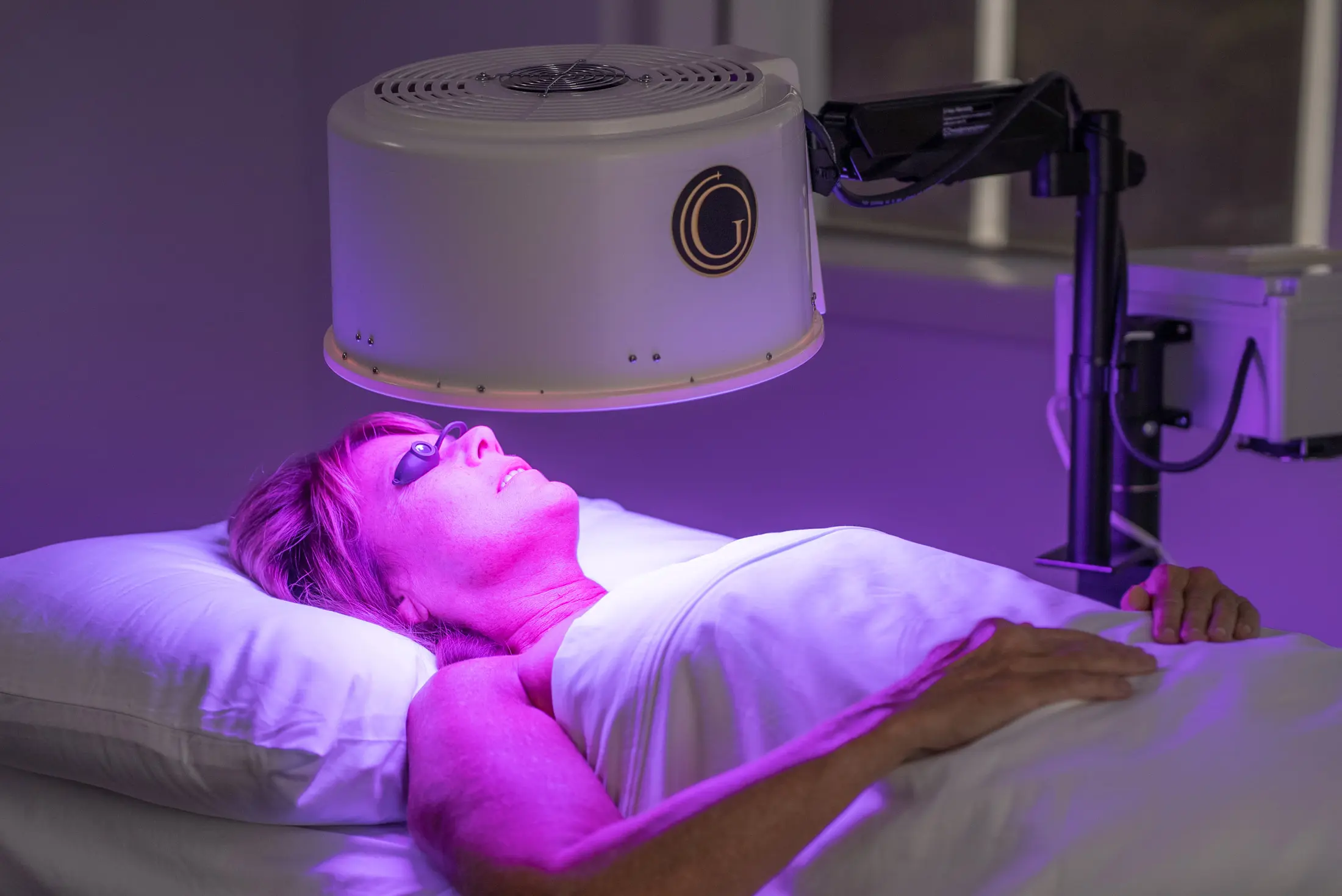
Laser treatments, it's best to lie flat during the session, with a recommended duration of 30–60 minutes for optimal results.
There’s no risk of overuse with laser therapy. However, we recommend waiting at least one hour between treatments on the same area to allow the newly oxygen-enriched blood to support the body’s natural healing process.
Laser treatments are used to address a wide range of acute and chronic pain, including neurological conditions, muscle and tissue sprains and strains, and to accelerate recovery and healing of wounds and fractures throughout the body.
Laser therapy is painless and has no side effects. During treatment, you may feel a gentle warmth as a result of increased blood oxygenation and cellular regeneration.
Yes, laser therapy can be used during pregnancy; however, it should not be applied directly to the abdominal area.
In addition to pain relief, laser treatments help reduce inflammation, stimulate damaged nerves, and rejuvenate healthy cells at the DNA level. The entire body benefits from increased circulation and fresh, oxygenated blood that supports natural healing.
Many people experience immediate pain relief after their first laser treatment. However, optimal results may require multiple sessions, depending on the condition being treated.
No, laser therapy is non-invasive and does not cause heat damage or cancer. It uses safe, low-level wavelengths that stimulate cellular repair without harming tissue.
For best results, it’s recommended to start with two-three sessions per week during the initial treatment phase. Afterward, maintain progress with a session per week as ongoing maintenance.
Yes, you can use laser therapy but avoid applying it to the area around your pacemaker for safety reasons.
Yes, laser therapy is safe to use in conjunction with medications, with no known adverse interactions.